

Historical Artwork
Historical artwork is more than decoration. It is cultural inheritance. It carries the intellectual, spiritual and aesthetic values of the periods that shaped Europe’s architecture, religion, literature and domestic life.

At Old Town Magick, our collections draw from centuries of artistic evolution, from medieval iconography to Renaissance humanism, Baroque drama to Romantic intensity. These movements form the visual backbone of timeless interior design.
If you are exploring the broader philosophy behind these influences, begin with our guide to Old World interior design.
Choosing the Right Historical Period for Your Space
-
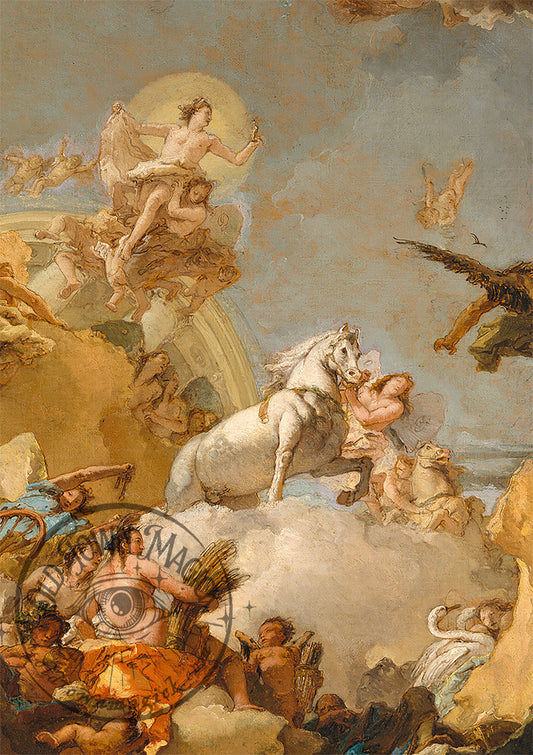
The Chariot of Aurora Detail – Classical Mythology Painting – Baroque Art Print
Regular price From £39.99 GBPRegular price -
Renaissance Cherub II – Aged Oil Painting Style Wall Art Print
Regular price From £39.99 GBPRegular price -
Classic Angel Spiral – Religious Gothic Wall Art Print
Regular price From £39.99 GBPRegular price -
Dead Christ Supported by Angels – Religious Renaissance Painting – Classical Wall Art Print
Regular price From £39.99 GBPRegular price -
Cracked Oil Painting Still Life – Vintage Aged Painting Wall Art Print
Regular price From £39.99 GBPRegular price -
Portrait of a Man with Gloves – Classical Renaissance Portrait – Dark Academia Wall Art Print
Regular price From £39.99 GBPRegular price -
Cracked Oil Painting Portrait – Vintage Aged Portrait Wall Art Print
Regular price From £39.99 GBPRegular price -
Ancient Angels – Vintage Religious Oil Painting Style Wall Art Print
Regular price From £39.99 GBPRegular price -
Renaissance Cherub – Aged Oil Painting Style Wall Art Print
Regular price From £39.99 GBPRegular price -
Portrait of Madame Jacques-Louis Leblanc – Classical French Portrait – Wall Art Print
Regular price From £39.99 GBPRegular price -
Three Renaissance Angels – Classical Religious Wall Art Print
Regular price From £39.99 GBPRegular price -
Old Man with a Dog – Classical Figurative Painting – Dark Academia Wall Art Print
Regular price From £39.99 GBPRegular price -
Portrait of a Man with a Rosary – Religious Renaissance Portrait – Classical Wall Art Print
Regular price From £39.99 GBPRegular price -
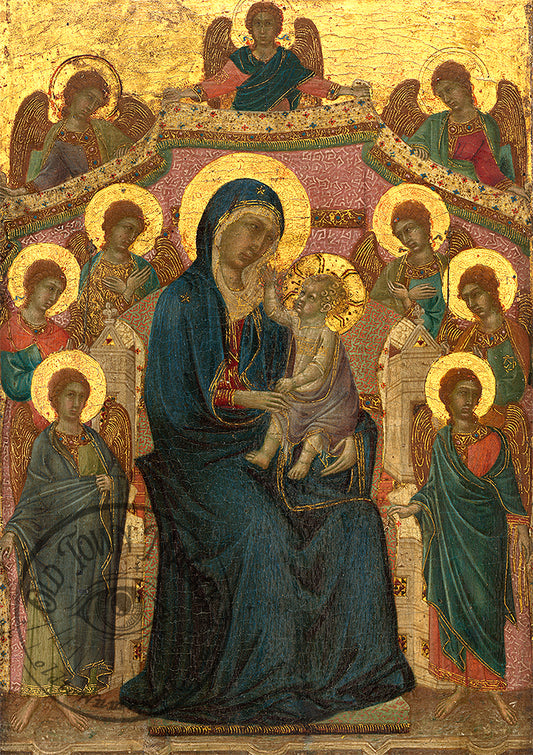
Madonna and Child with Nine Angels – Renaissance Religious Painting – Sacred Art Wall Art Print
Regular price From £39.99 GBPRegular price -
Portrait of Madame Jacques-Louis-Étienne Reizet – Classical French Portrait – Wall Art Print
Regular price From £39.99 GBPRegular price -
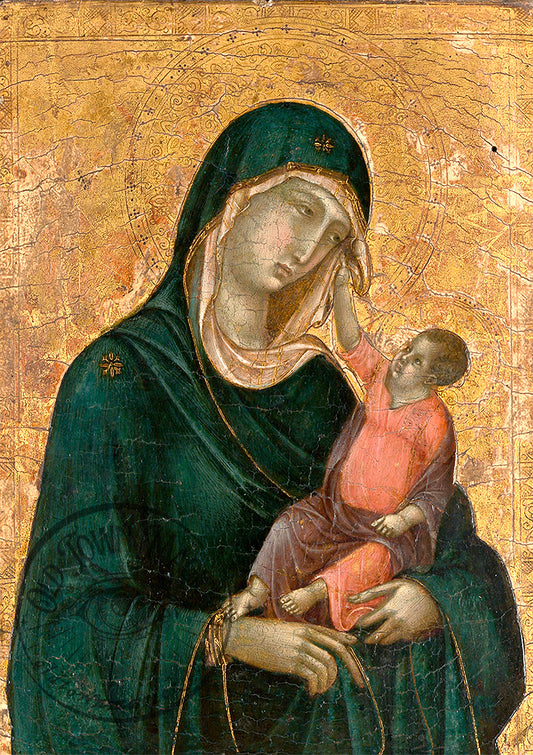
Madonna and Child – Renaissance Religious Painting – Sacred Art Wall Art Print
Regular price From £39.99 GBPRegular price -
Madonna and Child with Angels – Renaissance Religious Painting – Sacred Art Wall Art Print
Regular price From £39.99 GBPRegular price -
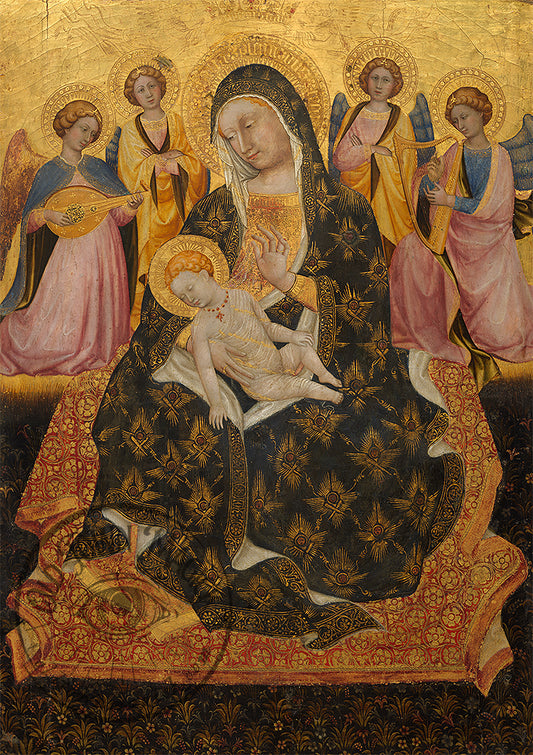
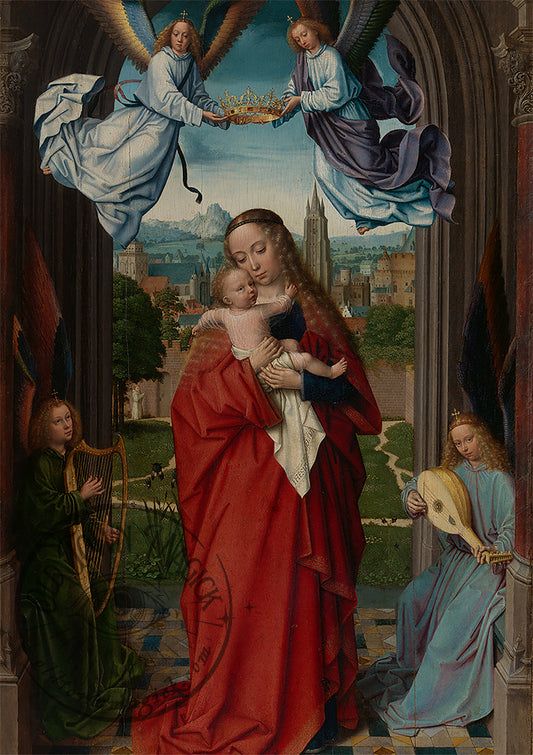
Virgin and Child with Four Angels – Renaissance Religious Painting – Sacred Art Print
Regular price From £39.99 GBPRegular price -
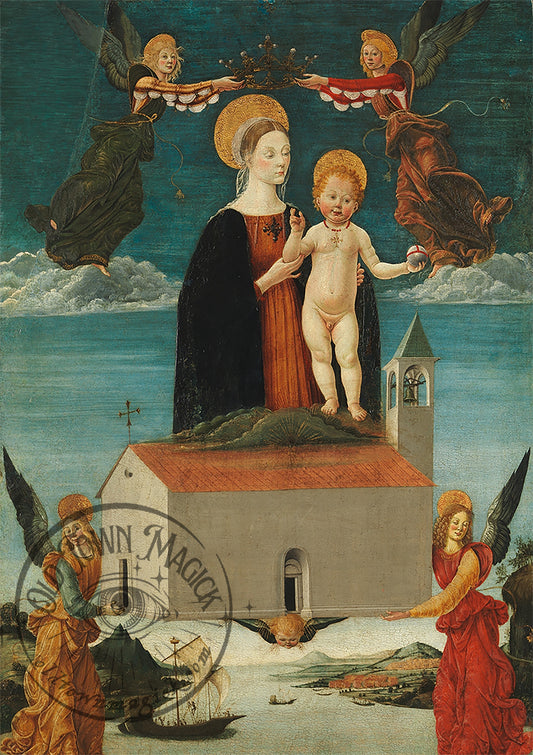
The Translation of the Holy House of Loreto – Renaissance Religious Scene – Sacred Wall Art Print
Regular price From £39.99 GBPRegular price




Why Historical Art Endures
Historical artwork endures because it was never created for trend cycles. Renaissance painters worked within architectural symmetry. Baroque artists responded to cathedral light and religious patronage. Neoclassical works echoed civic ideals and proportion. These works were designed for permanence - to exist within stone buildings, vaulted ceilings and carved interiors. That architectural relationship is why historical art continues to feel natural within domestic space today.
Unlike contemporary decorative prints, historical compositions carry intellectual frameworks: theology, mythology, humanism, political symbolism and allegory. They introduce cultural continuity rather than surface pattern. To understand how these artistic movements connect to architecture and domestic design, explore our broader philosophy of Old World interior design.

Framing, Scale & Presentation: Making Historical Art Work
Historical art is not only about the image, it is about presentation. Frame weight dramatically alters impact. Ornate gilded frames amplify Baroque drama, while restrained wood or black frames support Renaissance balance and Neoclassical clarity. Scale matters equally. Large-format classical works anchor grand living rooms and dining spaces. Smaller portraiture suits studies and transitional areas. Explore framing options within our print frames collection, and consider pairing artwork with architectural elements such as curated mirrors or statement pieces from our Old Masters collection.

What is considered historical artwork?
Historical artwork refers to art created within recognised cultural and artistic movements such as the Renaissance, Baroque, Gothic, Neoclassical and Romantic periods. These works reflect the intellectual, religious and architectural values of their time and continue to influence modern interiors. Explore key movements within our guide to period styles and aesthetics.
What are the main European art periods?
The main European art periods that shape interior design include the Renaissance, Baroque, Gothic, Neoclassical and Romantic movements. Each introduced distinct techniques, symbolism and compositional structure. You can explore individual movements such as the Renaissance period aesthetic and the Baroque period aesthetic to understand their defining characteristics.
Is historical artwork suitable for modern homes?
Yes. Historical artwork integrates seamlessly into contemporary interiors when balanced with proportion and material restraint. Classical portraiture, mythological scenes and religious iconography add depth without overwhelming modern architecture. See how these works function within our philosophy of Old World interior design.
What is the difference between Baroque and Renaissance art?
Renaissance art focuses on proportion, balance and humanist realism, while Baroque art introduces dramatic lighting, movement and theatrical contrast. Renaissance interiors feel composed and structured; Baroque interiors feel dynamic and emotionally intense. Compare both movements within the Renaissance period aesthetic and the Baroque period aesthetic.
What artwork creates a timeless interior?
Portraiture, religious iconography, mythological scenes, botanical studies and Old Master reproductions are all associated with timeless interiors. These works endure because they are rooted in historical context rather than contemporary trend cycles. Explore curated examples within our classical artwork collection.
How do I style historical art in my home?
Styling historical art successfully depends on scale, frame weight and spatial balance. Pair dramatic works with architectural elements such as mirrors, textured textiles or carved furniture. For composition guidance, see our guide to creating a timeless gallery wall.


