
The Complete Guide to:
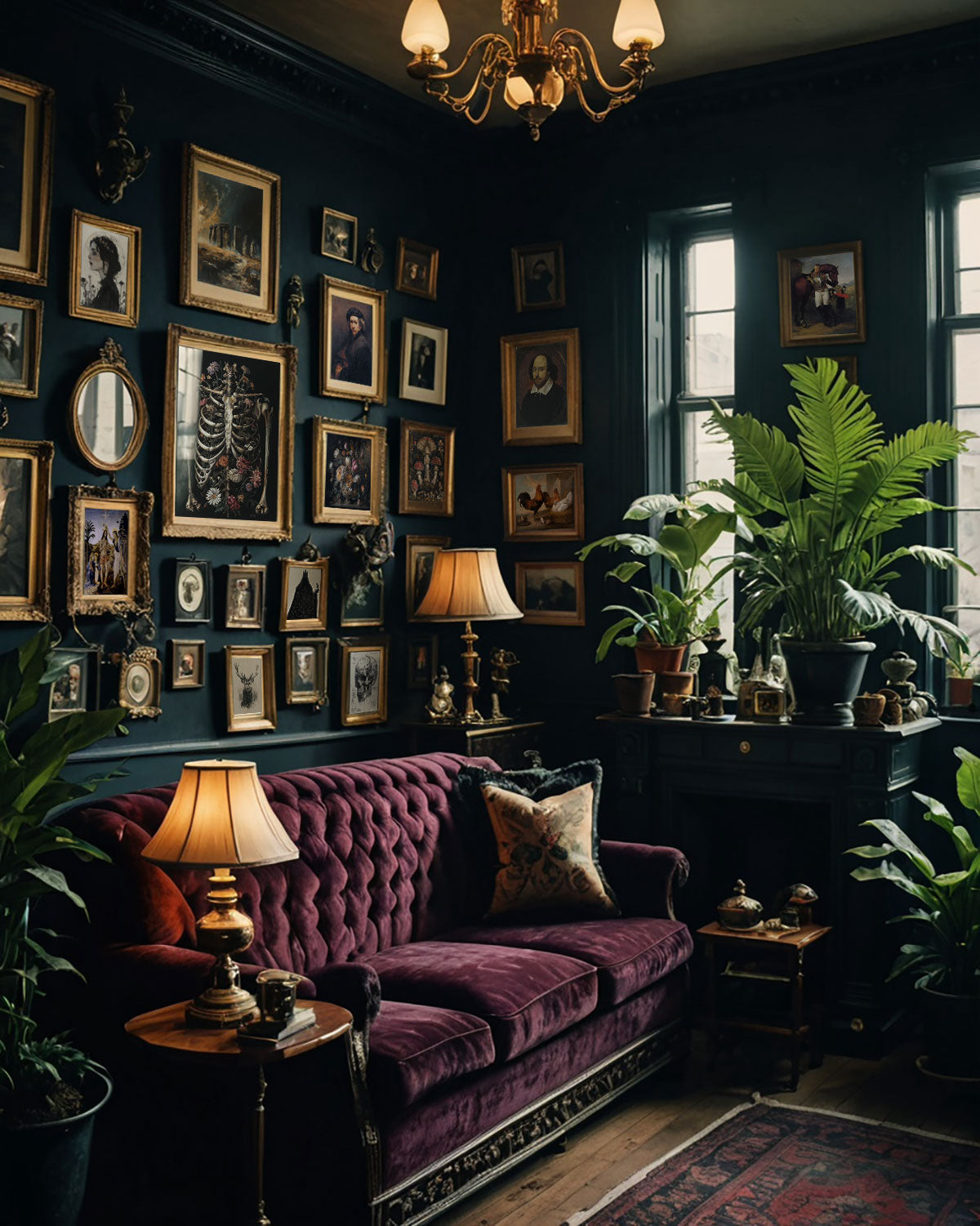
Creating A Dark Gallery Wall
Creating the perfect gallery wall is an art form in itself. Factors like proportion, rhythm, restraint, and narrative all have to be held in balance. It should feel inevitable - as if the wall simply became what it was always meant to be.
At Old Town Magick, we approach dark gallery walls through the lens of Old World grandeur: historical artwork, classical framing, architectural alignment, and symbolism that deepens over time. If you’re building the broader foundation first, begin with Old World interior design and historical artwork.
This guide is designed to help you build a wall that feels collected, not assembled - and one that still looks right five years from now.

A Practical Method: Build the Wall Like a Composition
Step 1: Create a central axis
Place the anchor piece slightly above eye level. Establish a centre line.
Step 2: Build outward in pairs
Balance left and right with similar frame weight. Not identical, but balanced.
Step 3: Add small pieces last
Small prints act as punctuation. They should fill gaps, not create chaos.
If you want to start with a curated base of artworks, begin with Shop All Prints.
The Three Laws of a Timeless Gallery Wall

Cohesion beats theme
Your wall does not need to be “all portraits” or “all Gothic.” It needs cohesive weight: repeated colours, repeated frames, repeated mood.

Scale creates confidence
A wall of only small pieces rarely feels timeless. Add at least one large piece to create serious visual impact.

Narrative makes a gallery wall endure
Even minimal walls need a story: sacred, mythic, historical, symbolic, architectural. A successfully balanced gallery wall must speak to the viewer and communicate a message, even quietly.
Elements That Make a Wall Feel Collected, Not Assembled
-
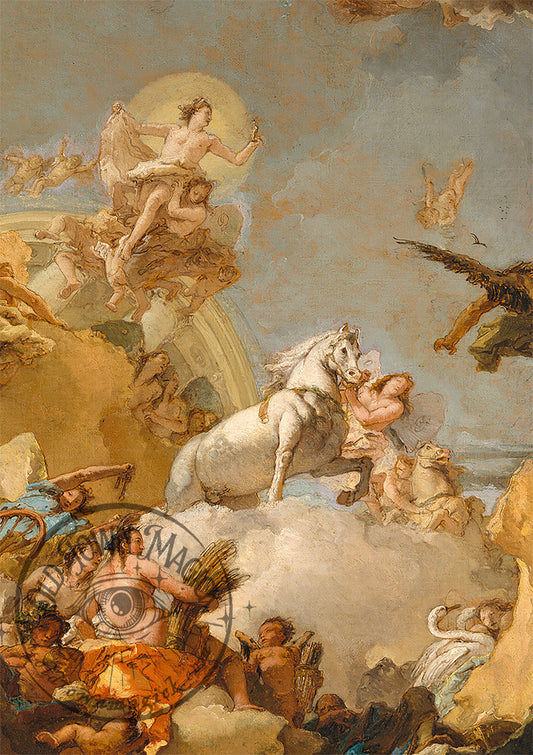
The Chariot of Aurora Detail – Classical Mythology Painting – Baroque Art Print
Regular price From £39.99 GBPRegular price -
Renaissance Cherub II – Aged Oil Painting Style Wall Art Print
Regular price From £39.99 GBPRegular price -
Classic Angel Spiral – Religious Gothic Wall Art Print
Regular price From £39.99 GBPRegular price -
Dead Christ Supported by Angels – Religious Renaissance Painting – Classical Wall Art Print
Regular price From £39.99 GBPRegular price -
Cracked Oil Painting Still Life – Vintage Aged Painting Wall Art Print
Regular price From £39.99 GBPRegular price -
Portrait of a Man with Gloves – Classical Renaissance Portrait – Dark Academia Wall Art Print
Regular price From £39.99 GBPRegular price -
Cracked Oil Painting Portrait – Vintage Aged Portrait Wall Art Print
Regular price From £39.99 GBPRegular price -
Ancient Angels – Vintage Religious Oil Painting Style Wall Art Print
Regular price From £39.99 GBPRegular price -
Renaissance Cherub – Aged Oil Painting Style Wall Art Print
Regular price From £39.99 GBPRegular price -
Portrait of Madame Jacques-Louis Leblanc – Classical French Portrait – Wall Art Print
Regular price From £39.99 GBPRegular price -
Three Renaissance Angels – Classical Religious Wall Art Print
Regular price From £39.99 GBPRegular price -
Old Man with a Dog – Classical Figurative Painting – Dark Academia Wall Art Print
Regular price From £39.99 GBPRegular price -
Portrait of a Man with a Rosary – Religious Renaissance Portrait – Classical Wall Art Print
Regular price From £39.99 GBPRegular price -
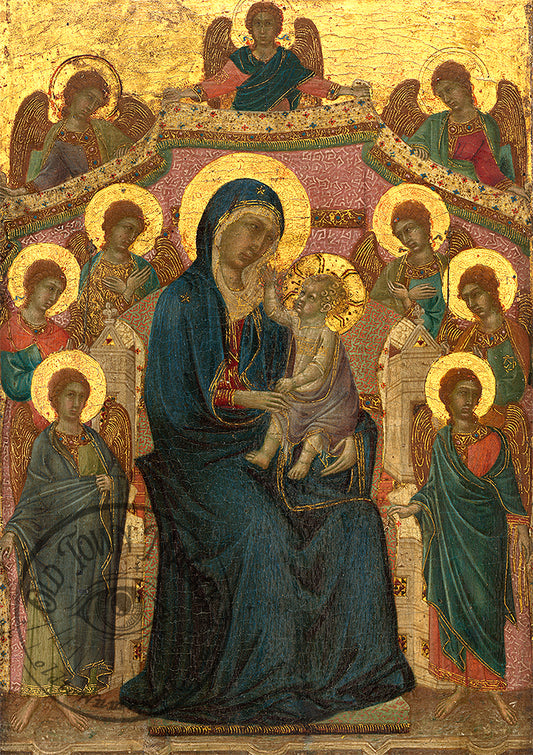
Madonna and Child with Nine Angels – Renaissance Religious Painting – Sacred Art Wall Art Print
Regular price From £39.99 GBPRegular price -
Portrait of Madame Jacques-Louis-Étienne Reizet – Classical French Portrait – Wall Art Print
Regular price From £39.99 GBPRegular price -
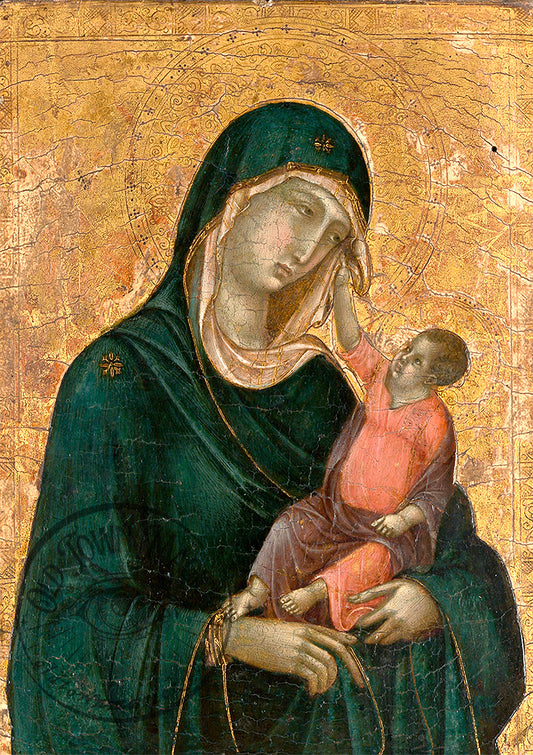
Madonna and Child – Renaissance Religious Painting – Sacred Art Wall Art Print
Regular price From £39.99 GBPRegular price -
Madonna and Child with Angels – Renaissance Religious Painting – Sacred Art Wall Art Print
Regular price From £39.99 GBPRegular price -
Virgin and Child with Four Angels – Renaissance Religious Painting – Sacred Art Print
Regular price From £39.99 GBPRegular price -
The Translation of the Holy House of Loreto – Renaissance Religious Scene – Sacred Wall Art Print
Regular price From £39.99 GBPRegular price



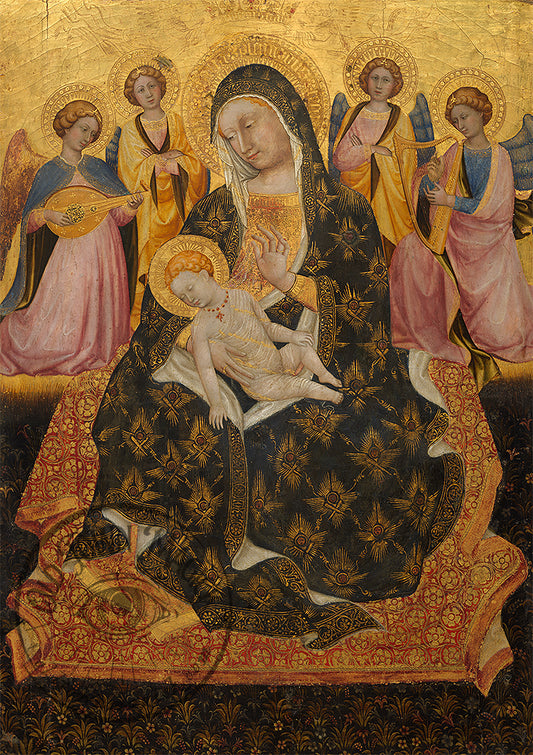
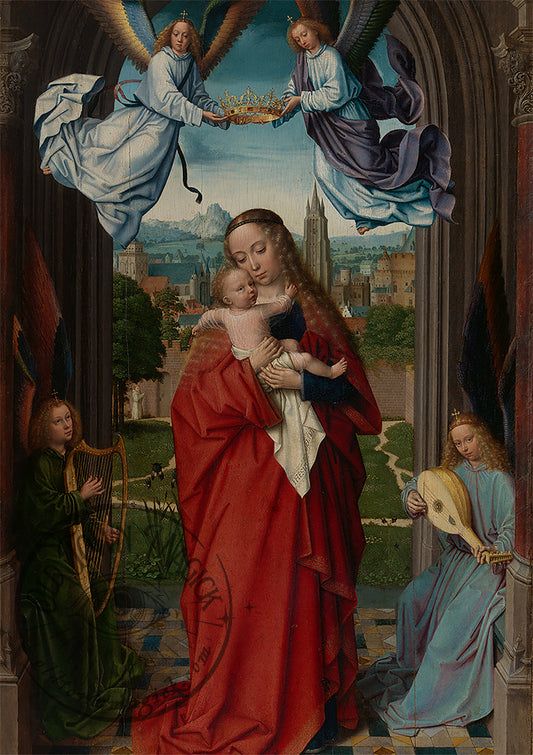
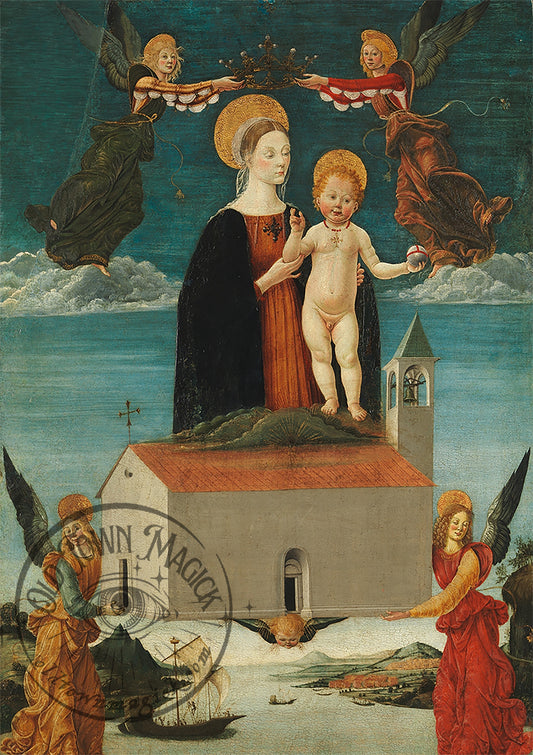

The Anchor Piece: Why One Artwork Should Lead the Wall
A gallery wall without an anchor often feels hesitant, lots of visual noise, but no authority. Your anchor should be the piece that “sets the temperature” of the room. It can be dramatic or restrained, but it must establish the scale and tone that everything else responds to.
If your space is modern, choose an anchor with historical weight: portraiture, sacred iconography, classical scenes, or an Old Master-inspired work. The contrast between modern architecture and historical imagery is exactly what gives Old World interiors their tension and elegance.
Start your anchor search with:

Negative Space: The Detail That Makes It Look Expensive
The difference between “busy” and “curated” is often negative space. Timeless walls allow the eye to rest. They give the frames room to breathe. They don’t fill every inch simply because the wall exists.
If you want the wall to feel elevated:
- leave at least one “quiet pocket” where the wall can breathe
- avoid stacking too many small pieces in tight clusters without a larger piece nearby
- let the wall frame the wall - empty space is part of the design
This is how gallery walls begin to feel architectural, which is precisely the Old World effect.

How to easily hang a gallery wall?
One of the simplest and most reliable methods is to trace each frame onto wrapping paper or craft paper, cut out the shapes, and tape them to the wall first. This allows you to adjust spacing and composition before making any holes.
Once the layout feels balanced, mark the position of the hook or hanging wire on each paper template. Remove the paper, drill directly at the marked point, and hang the frame. This approach prevents unnecessary wall damage and ensures accurate placement the first time.
How to hang a gallery wall in a rented apartment?
In rented spaces, use non-destructive solutions such as heavy-duty adhesive hooks or Command™ strips designed for picture hanging. Choose weight-rated hooks appropriate for each frame.
Light to medium prints in smaller frames can usually be supported safely without drilling. For larger or heavier pieces, consider leaning artwork on shelves or mantels to avoid wall penetration altogether.
This allows you to build a cohesive gallery wall without risking deposit deductions.
How do I plan a gallery wall layout?
Start with one anchor piece, establish a centre line, and build outward in balanced pairs. Keep spacing consistent and place smaller pieces last to refine gaps.
What is the best spacing for a gallery wall?
A consistent 5–8cm between frames works in most homes. Tight spacing feels like one composed object; wider spacing feels more airy and modern.
Should all frames match on a gallery wall?
Not necessarily — but frame weight should feel coherent. Matching finishes (all gold, all dark wood) is the simplest timeless approach. Mixed frames can work if the mix repeats intentionally.
What artwork works best for a timeless gallery wall?
Portraiture, sacred iconography, classical scenes, botanical studies, and symbolic imagery tend to endure. Explore Classical Artwork and Portrait Prints.
How do I make a gallery wall look more expensive?
Use one large anchor piece, choose heavier frames, keep spacing consistent, and allow negative space. The wall should feel architectural rather than crowded.
Can a gallery wall work in a modern home?
Yes - especially when you use historical artwork and strong framing. The tension between modern architecture and Old World imagery creates depth and timelessness.


