

Religious, Sacred And Symbolic Art
Sacred and symbolic art has shaped European visual culture for centuries. Long before interiors were styled for fashion, they were shaped by belief, ritual and myth. From cathedral altarpieces to domestic devotional icons, from mythological allegory to occult symbolism, art has historically functioned as more than decoration. It has carried theology, morality, cosmology and cultural identity into the home.
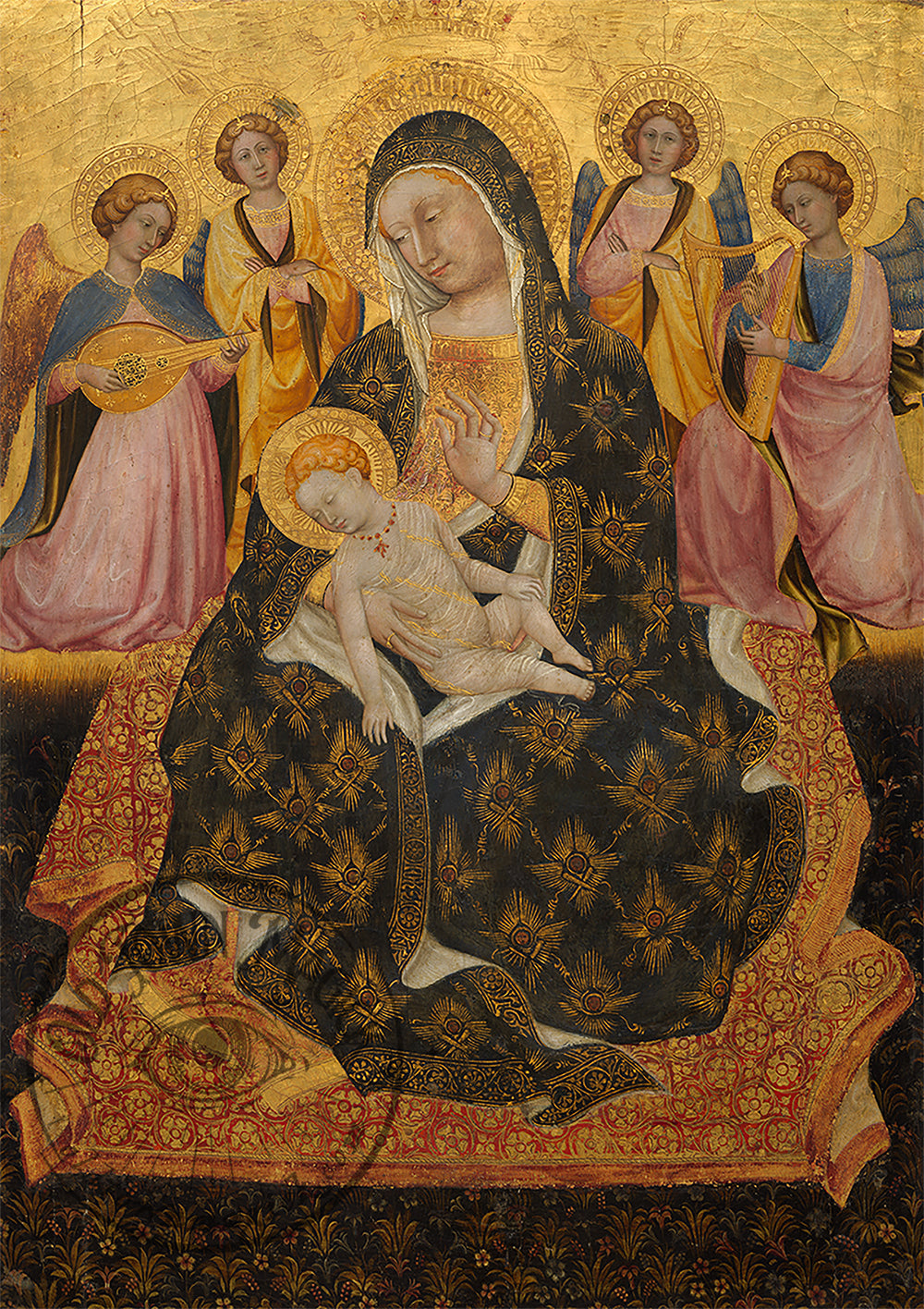
At Old Town Magick, sacred and symbolic art is approached through historical lineage rather than trend. To understand how these influences shape interior design more broadly, explore our guide to Old World interior design.
The Three Pillars of Symbolic Interior Design

Devotion
Sacred imagery in the home has historically acted as orientation. Altarpieces, icons and devotional prints were placed not merely for beauty, but for presence. Even outside formal religion, these works establish stillness and hierarchy within a space. A single icon placed intentionally can alter atmosphere more effectively than multiple decorative objects.

Allegory
Allegorical art speaks in layered meaning. A crowned figure may represent sovereignty, a serpent transformation, a lamb sacrifice, a crescent intuition. These symbols compress philosophy into form. In interiors, allegorical works introduce intellectual tension — they reward attention rather than demand it.

RITUAL
Before the modern era, the home was not separate from ritual life. Seasonal observances, symbolic objects and celestial markers shaped domestic rhythm. Incorporating tarot, astrological imagery or mythic scenes reconnects interior space with this older cadence of meaning. Explore how symbolic rhythm intersects with domestic structure within Symbolism & Ritual.
Why Symbolic Interiors Endure
-
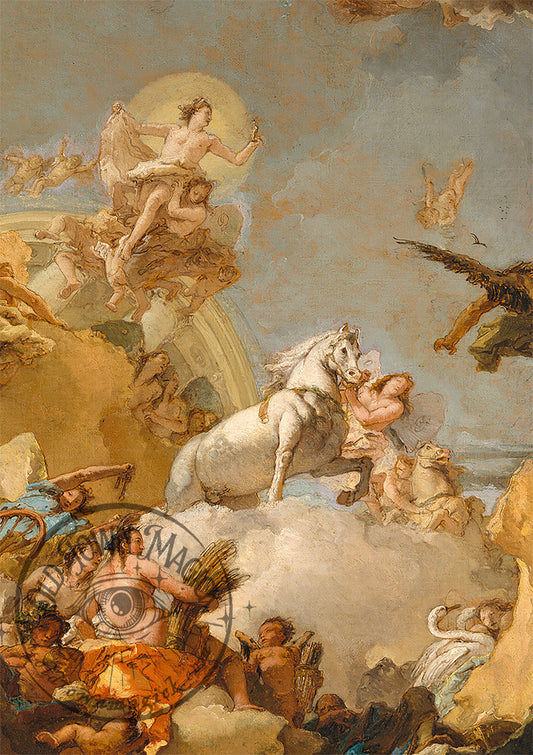
The Chariot of Aurora Detail – Classical Mythology Painting – Baroque Art Print
Regular price From £39.99 GBPRegular price -
Renaissance Cherub II – Aged Oil Painting Style Wall Art Print
Regular price From £39.99 GBPRegular price -
Classic Angel Spiral – Religious Gothic Wall Art Print
Regular price From £39.99 GBPRegular price -
Dead Christ Supported by Angels – Religious Renaissance Painting – Classical Wall Art Print
Regular price From £39.99 GBPRegular price -
Cracked Oil Painting Still Life – Vintage Aged Painting Wall Art Print
Regular price From £39.99 GBPRegular price -
Portrait of a Man with Gloves – Classical Renaissance Portrait – Dark Academia Wall Art Print
Regular price From £39.99 GBPRegular price -
Cracked Oil Painting Portrait – Vintage Aged Portrait Wall Art Print
Regular price From £39.99 GBPRegular price -
Ancient Angels – Vintage Religious Oil Painting Style Wall Art Print
Regular price From £39.99 GBPRegular price -
Renaissance Cherub – Aged Oil Painting Style Wall Art Print
Regular price From £39.99 GBPRegular price -
Portrait of Madame Jacques-Louis Leblanc – Classical French Portrait – Wall Art Print
Regular price From £39.99 GBPRegular price -
Three Renaissance Angels – Classical Religious Wall Art Print
Regular price From £39.99 GBPRegular price -
Old Man with a Dog – Classical Figurative Painting – Dark Academia Wall Art Print
Regular price From £39.99 GBPRegular price -
Portrait of a Man with a Rosary – Religious Renaissance Portrait – Classical Wall Art Print
Regular price From £39.99 GBPRegular price -
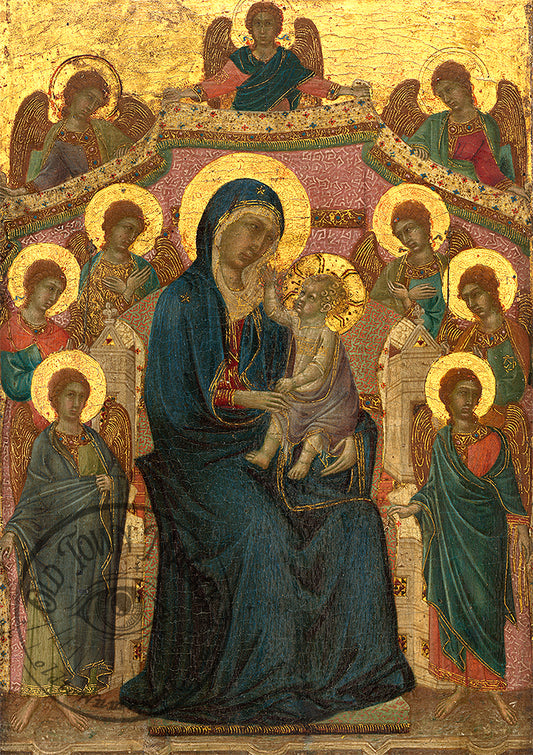
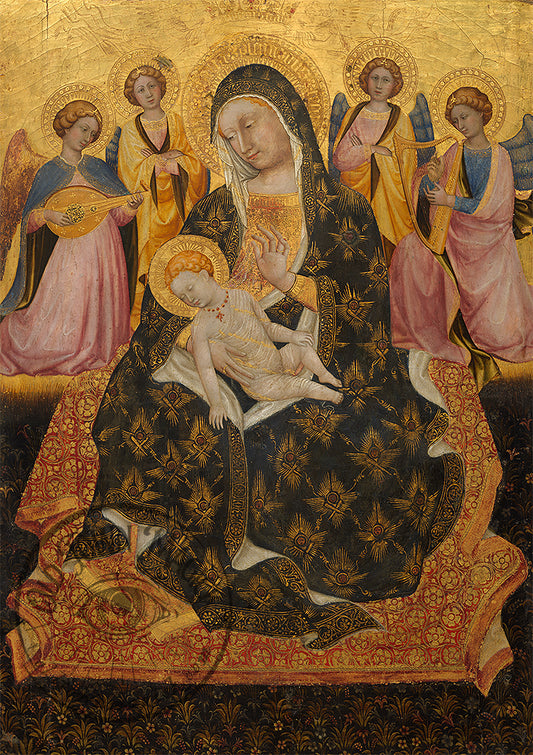
Madonna and Child with Nine Angels – Renaissance Religious Painting – Sacred Art Wall Art Print
Regular price From £39.99 GBPRegular price -
Portrait of Madame Jacques-Louis-Étienne Reizet – Classical French Portrait – Wall Art Print
Regular price From £39.99 GBPRegular price -
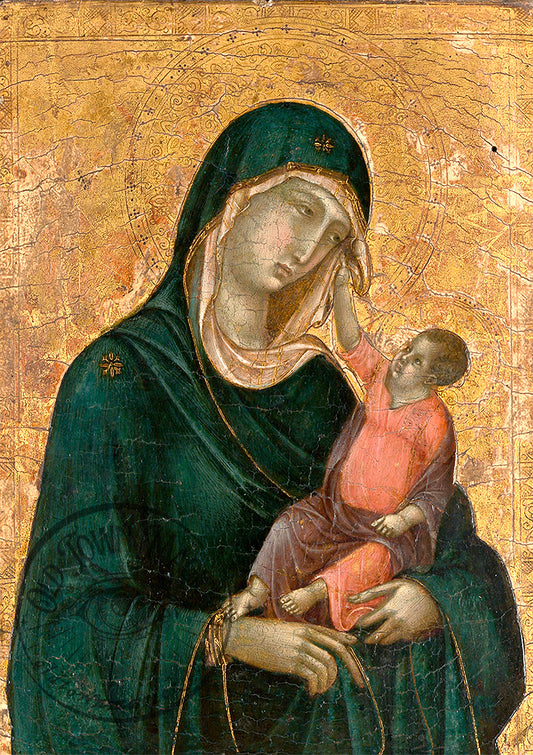
Madonna and Child – Renaissance Religious Painting – Sacred Art Wall Art Print
Regular price From £39.99 GBPRegular price -
Madonna and Child with Angels – Renaissance Religious Painting – Sacred Art Wall Art Print
Regular price From £39.99 GBPRegular price -
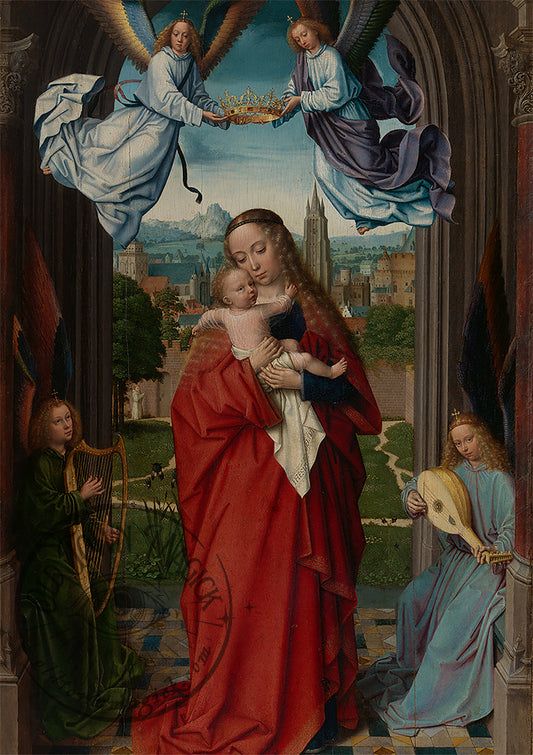
Virgin and Child with Four Angels – Renaissance Religious Painting – Sacred Art Print
Regular price From £39.99 GBPRegular price -
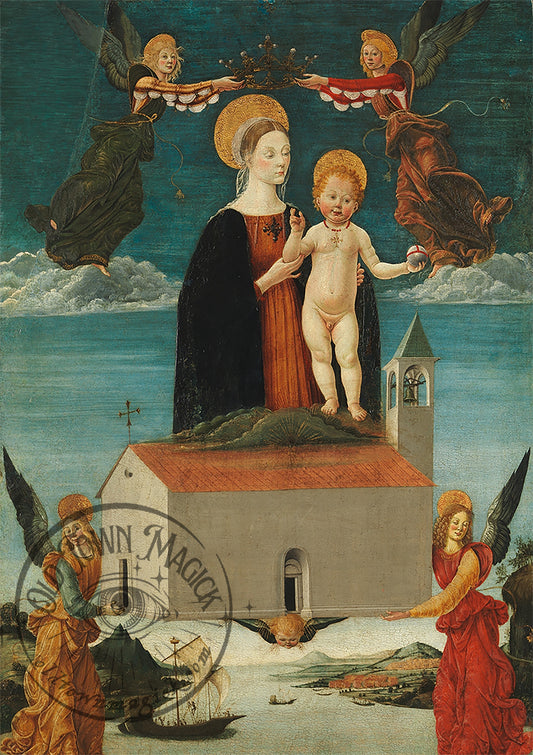
The Translation of the Holy House of Loreto – Renaissance Religious Scene – Sacred Wall Art Print
Regular price From £39.99 GBPRegular price




Sacred Art in Contemporary Interiors
Sacred art does not require religious affiliation. In modern homes, it functions as atmosphere, depth and continuity. Pair devotional pieces with architectural mirrors, textured textiles and considered lighting. Allow negative space to frame intensity. Learn how to compose balanced arrangements within our guide to creating a timeless gallery wall.

The Difference Between Sacred Art and Trend-Based Spiritual Decor
Sacred art is rooted in historical patronage, iconographic tradition and theological or mythological structure. Trend-based spiritual decor often borrows surface motifs without historical grounding. At Old Town Magick, symbolic artwork is curated through lineage and cultural depth. It connects to centuries of visual tradition rather than aesthetic novelty.

What is sacred art?
Sacred art refers to artwork created within a religious or spiritual framework. Historically, this included altarpieces, icons, biblical scenes, saints and devotional imagery commissioned for churches and private homes. Sacred art was intended to guide contemplation, ritual and moral reflection rather than serve purely decorative purposes.
What is symbolic art?
Symbolic art uses visual motifs to communicate layered meaning. Objects such as crowns, serpents, lambs, moons, swords and halos carry centuries of cultural and philosophical significance. In interiors, symbolic artwork introduces narrative depth without overwhelming the space.
Is it appropriate to display religious art in a modern home?
Yes. Religious artwork can function as cultural, historical and aesthetic reference even without formal religious affiliation. When placed thoughtfully, sacred imagery adds gravity, stillness and architectural presence to a room.
What is the difference between sacred art and occult art?
Sacred art traditionally emerges from established religious institutions such as Christianity, Catholicism or Orthodox traditions. Occult art draws from esoteric systems including alchemy, tarot, astrology and mystical symbolism. Both share symbolic language, but they originate from different spiritual frameworks.
You can explore deeper traditions within The Occult.
What types of symbolic artwork suit Old World interiors?
Portraiture, saints, mythological figures, celestial imagery, botanical allegories and tarot iconography all complement Old World interiors. These works connect domestic space to centuries of artistic tradition and symbolic storytelling.
How do I style sacred or symbolic art without it feeling overwhelming?
Balance is essential. Use negative space, appropriate frame weight and architectural alignment. Pair symbolic pieces with classical materials such as wood, stone or antique mirrors to create cohesion. For composition guidance, see our guide to creating a timeless gallery wall.


