

the complete guide to:
The Art Of Craftsmanship
Craftsmanship is the foundation of Old World design. Before interiors were styled, they were constructed. Before artwork was reproduced, it was painted, carved, gilded and woven by hand.

In European tradition, craft was not separate from art. Joiners, gilders, stone carvers, metalworkers and printers shaped the very fabric of domestic life. Architecture, furniture, mirrors, frames and devotional objects were all the result of disciplined technique and material understanding. To understand how these crafts inform interior philosophy more broadly, explore our guide to Old World interior design.
The Three Foundations of Craft

Material
Every Old World interior begins with material truth. Wood is not disguised. Stone is not concealed. Metal carries weight. Plaster reveals texture. Craft begins with respect for the properties of each element - grain, density, reflectivity, age. When interiors are built from materials with inherent character, atmosphere becomes structural rather than decorative. Explore how material lineage shapes design within The Art of Craftsmanship.
technqiue
Technique is discipline made visible. Joinery that holds without excess hardware. Gilding that catches light without overwhelming. Printmaking that preserves detail across generations. Historical interiors were shaped by trained hands and repeatable systems — not impulse. Technique introduces refinement. It is the difference between ornament and structure. Discover traditional processes within wood and joinery and gilding and surface finishes.

PERMANENCE
Craft exists for endurance. Medieval cathedrals, Renaissance cabinets and Georgian mirrors were built to outlast their makers. Permanence is not excess — it is intention. When interiors are shaped by objects designed to endure, the space acquires quiet authority. A carved frame, a weighted candlestick, a textured textile — each contributes to continuity rather than novelty. Explore curated pieces that reflect this philosophy within our furniture collection and mirrors collection
Craft as Continuity
-
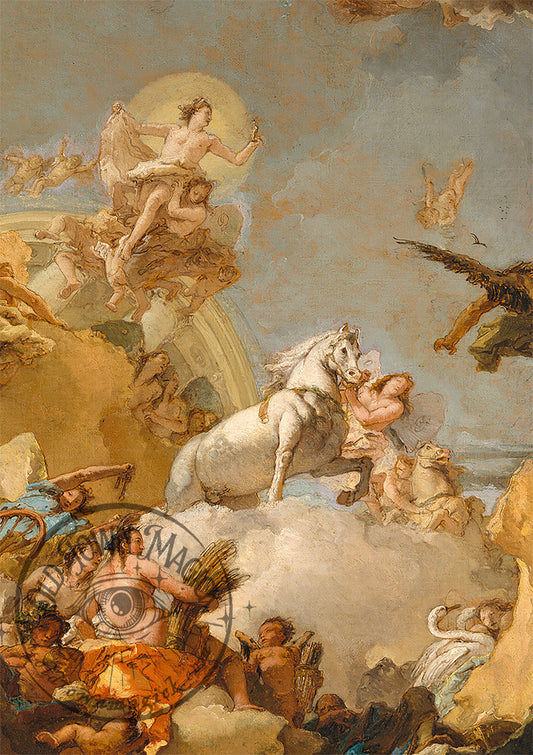
The Chariot of Aurora Detail – Classical Mythology Painting – Baroque Art Print
Regular price From £39.99 GBPRegular price -
Renaissance Cherub II – Aged Oil Painting Style Wall Art Print
Regular price From £39.99 GBPRegular price -
Classic Angel Spiral – Religious Gothic Wall Art Print
Regular price From £39.99 GBPRegular price -
Dead Christ Supported by Angels – Religious Renaissance Painting – Classical Wall Art Print
Regular price From £39.99 GBPRegular price -
Cracked Oil Painting Still Life – Vintage Aged Painting Wall Art Print
Regular price From £39.99 GBPRegular price -
Portrait of a Man with Gloves – Classical Renaissance Portrait – Dark Academia Wall Art Print
Regular price From £39.99 GBPRegular price -
Cracked Oil Painting Portrait – Vintage Aged Portrait Wall Art Print
Regular price From £39.99 GBPRegular price -
Ancient Angels – Vintage Religious Oil Painting Style Wall Art Print
Regular price From £39.99 GBPRegular price -
Renaissance Cherub – Aged Oil Painting Style Wall Art Print
Regular price From £39.99 GBPRegular price -
Portrait of Madame Jacques-Louis Leblanc – Classical French Portrait – Wall Art Print
Regular price From £39.99 GBPRegular price -
Three Renaissance Angels – Classical Religious Wall Art Print
Regular price From £39.99 GBPRegular price -
Old Man with a Dog – Classical Figurative Painting – Dark Academia Wall Art Print
Regular price From £39.99 GBPRegular price -
Portrait of a Man with a Rosary – Religious Renaissance Portrait – Classical Wall Art Print
Regular price From £39.99 GBPRegular price -
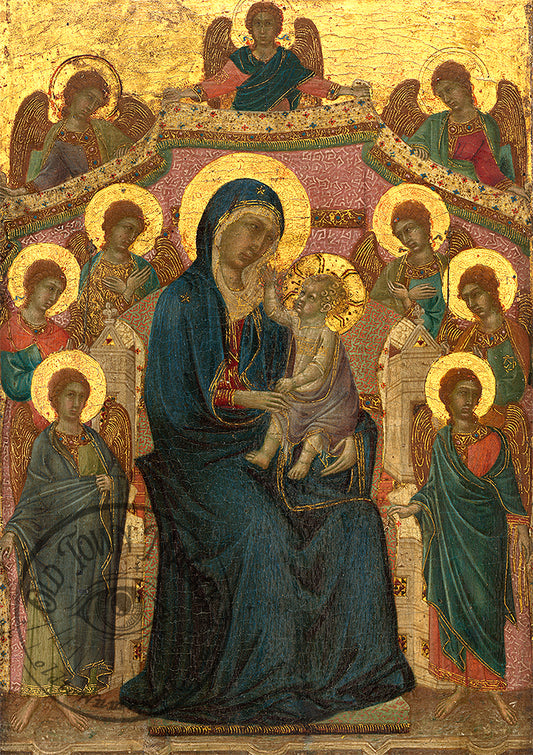
Madonna and Child with Nine Angels – Renaissance Religious Painting – Sacred Art Wall Art Print
Regular price From £39.99 GBPRegular price -
Portrait of Madame Jacques-Louis-Étienne Reizet – Classical French Portrait – Wall Art Print
Regular price From £39.99 GBPRegular price -
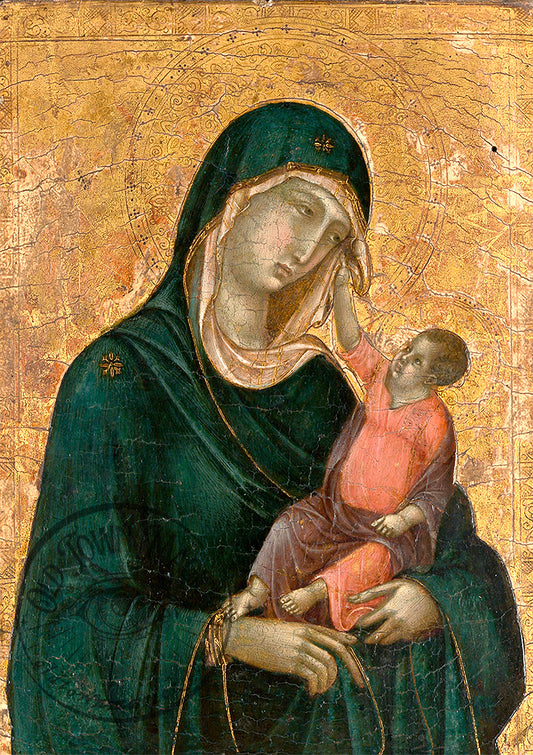
Madonna and Child – Renaissance Religious Painting – Sacred Art Wall Art Print
Regular price From £39.99 GBPRegular price -
Madonna and Child with Angels – Renaissance Religious Painting – Sacred Art Wall Art Print
Regular price From £39.99 GBPRegular price -
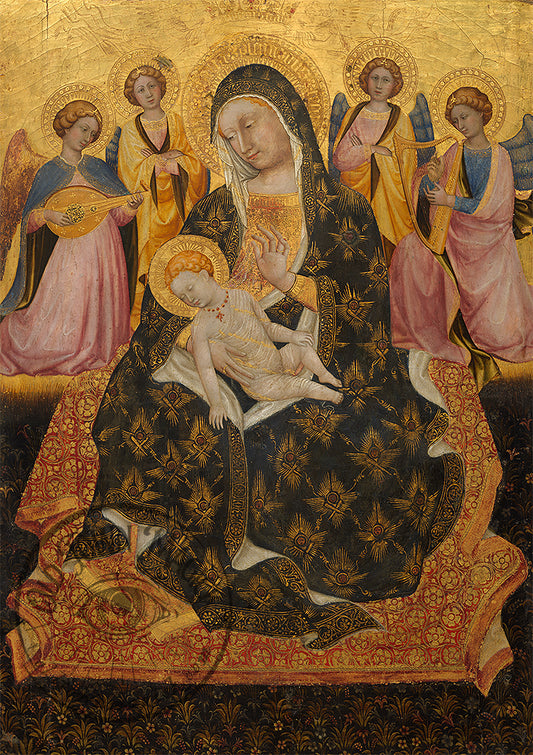
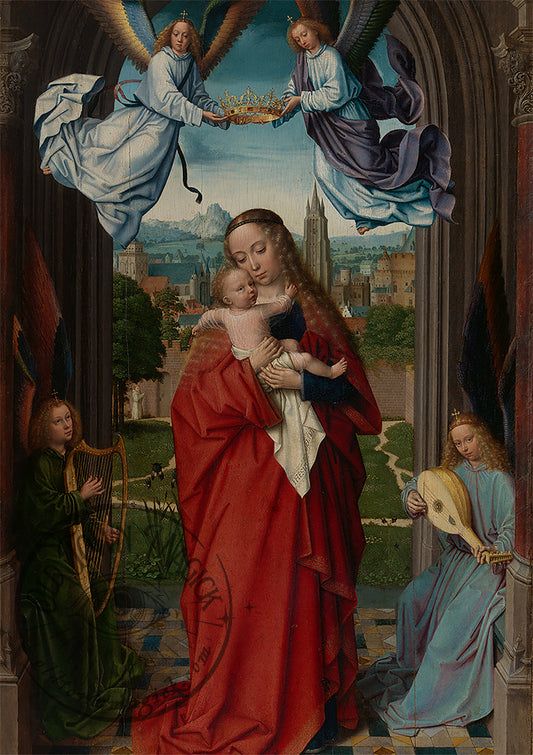
Virgin and Child with Four Angels – Renaissance Religious Painting – Sacred Art Print
Regular price From £39.99 GBPRegular price -
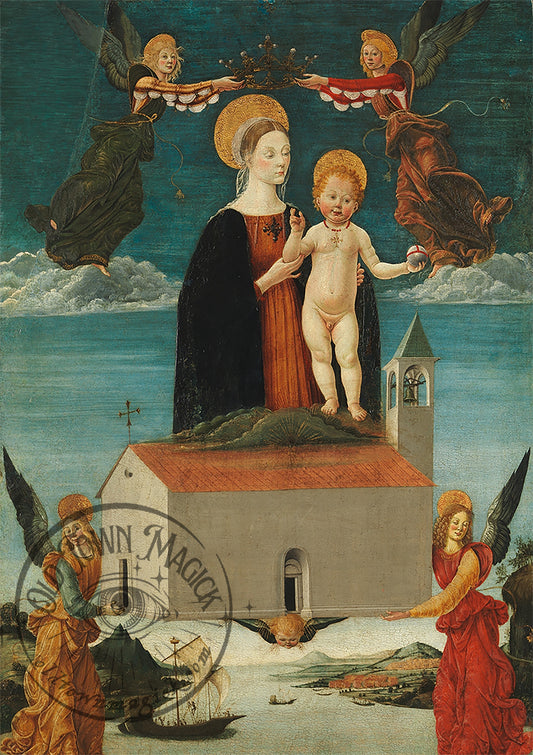
The Translation of the Holy House of Loreto – Renaissance Religious Scene – Sacred Wall Art Print
Regular price From £39.99 GBPRegular price




Craft as Architecture
Before interiors were styled, they were structured. Craft is not merely applied to surfaces - it shapes the skeleton of space. European design evolved through guild systems, master-apprentice traditions and regional techniques. Venetian glass differed from English joinery. Florentine gilding differed from Northern carving. These distinctions created architectural identity.
When you introduce historically grounded craft into a home - whether through carved wood, framed artwork or mirror placement - you are referencing entire systems of building knowledge. Craft is therefore architectural memory made visible. Even printed artwork carries this lineage. The frame, the mount, the scale - each decision echoes centuries of spatial logic.
To understand how architectural heritage informs interior composition, revisit our guide to Old World interior design.

Craft and the Passage of Time
True craft reveals age rather than resisting it.
Patina, softened edges, subtle surface irregularities - these are not flaws. They are markers of duration. Historically, objects were designed to evolve with their environment, not remain factory-perfect. An Old World interior embraces this slow transformation. Wood deepens. Metal dulls. Gilding warms. Textile softens. These changes do not diminish value; they strengthen narrative.
When selecting objects, consider how they will age within your space. Craft is not frozen in time - it participates in it. Explore curated materials and finishes within our guide to gilding and surface finishes and stone, plaster and architectural craft.

What does craftsmanship mean in interior design?
Craftsmanship in interior design refers to the quality of making behind architectural elements, furniture, frames and decorative objects. It includes traditional techniques such as joinery, carving, gilding, weaving and printmaking that prioritise material integrity and durability.
Why is craftsmanship important in Old World interiors?
Old World interiors are built upon structural honesty and material lineage. Craftsmanship ensures that objects are not merely decorative but constructed with discipline and longevity. This creates interiors that feel composed and enduring rather than trend-driven.
How can I introduce craftsmanship into a modern home?
Introduce craftsmanship through framed historical artwork, carved wood furniture, architectural mirrors, textured plaster or woven textiles. Even a single well-crafted object can anchor a room and elevate surrounding elements.
Explore curated pieces within our furniture collection and mirrors collection.
What is the difference between handmade and craftsmanship?
Not all handmade items reflect true craftsmanship. Craftsmanship implies trained technique, structural knowledge and repeatable mastery passed through tradition. It is less about novelty and more about disciplined execution.
Does craftsmanship increase the longevity of interiors?
Yes. Materials shaped through traditional techniques are designed for endurance. Proper joinery, stable framing and quality surface finishes allow objects to age gracefully rather than deteriorate quickly.
What materials are most associated with traditional European craft?
Wood, stone, plaster, metal, glass, textiles and gilded finishes are central to European craft traditions. Each material carries distinct historical processes and regional variation.
Why has there recently been a resurgence in interest in craftsmanship?
There has been a renewed interest in craftsmanship as a response to mass production and disposable design. In an era dominated by fast furniture and trend-driven interiors, many homeowners are seeking permanence, authenticity and material integrity. Traditional craft techniques offer visible skill, structural honesty and a connection to cultural heritage, all of which bring depth and stability to modern spaces.


