The Old Town Magick art collection

Modern Art & Prints

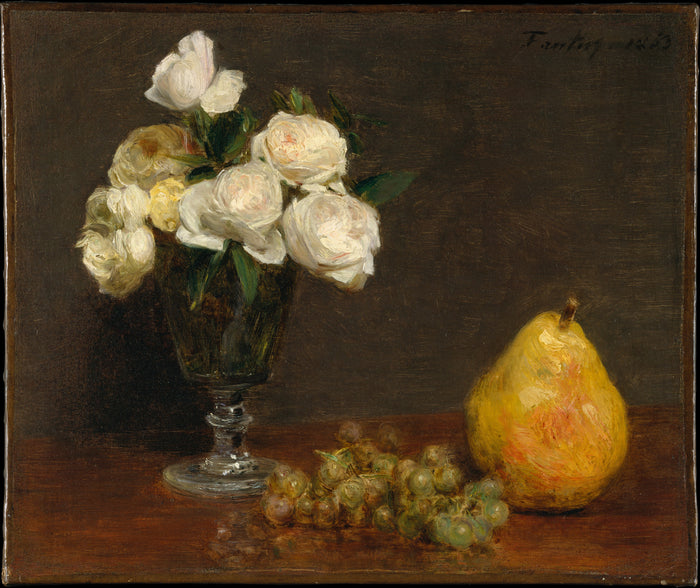
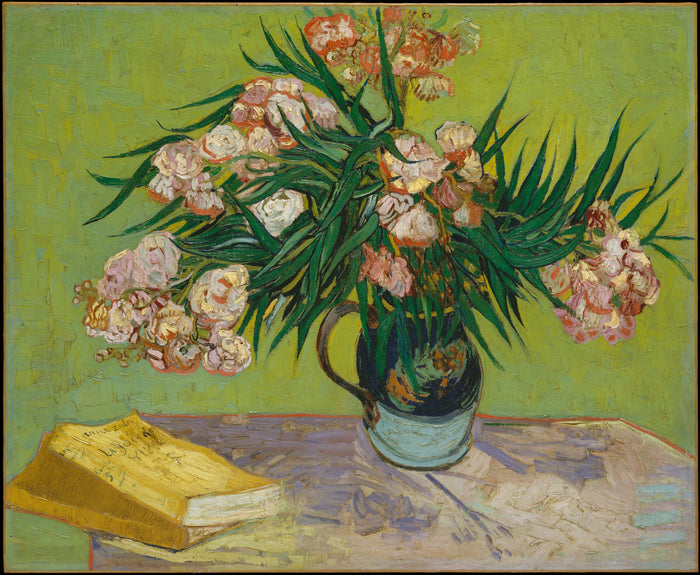
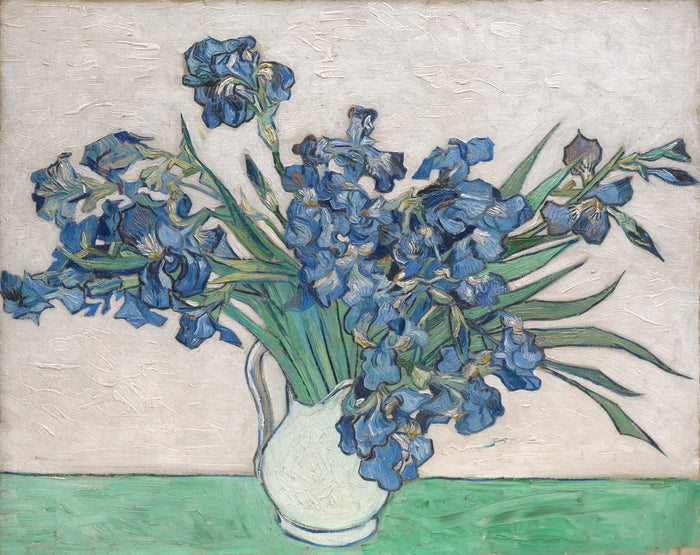
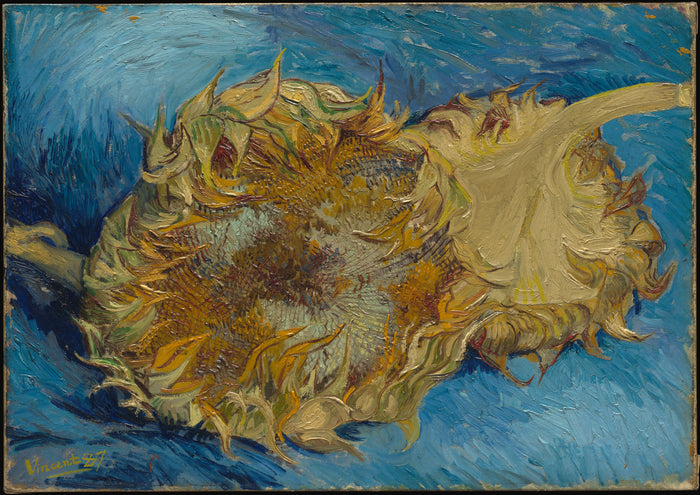
Modern art explores the changing approaches to representation, materials and artistic expression that developed during the nineteenth and twentieth centuries.

Explore the artwork ↓

About Modern Art

Industrialisation, growing cities, new technologies and shifting social life changed both the subjects artists chose and the ways they worked. Realism, Impressionism and Post-Impressionism opened different paths, followed by movements that challenged conventional perspective, naturalistic colour and the boundaries of art itself.

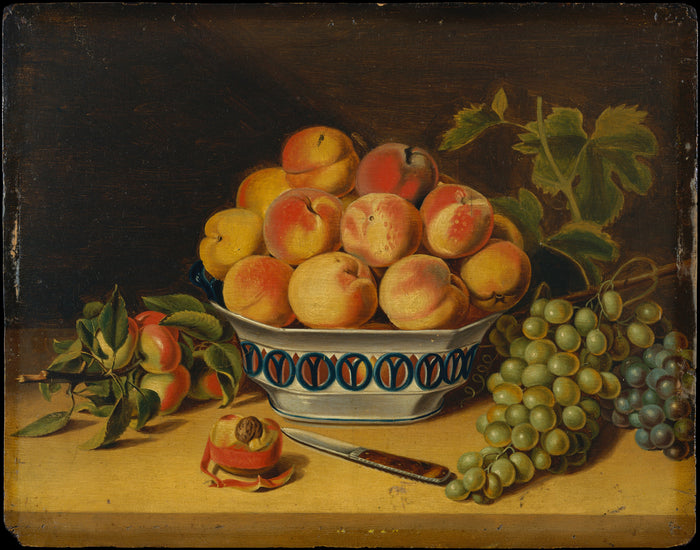
Modern art does not mean only abstract painting, and it is distinct from contemporary art. Landscapes, portraits and still lifes remained important as artists reconsidered observation, feeling and form. Follow the individual movement pages for more precise histories.

Characteristics

Modern art is an umbrella for changing artistic responses to industrialisation, urban life and new ideas about perception and representation. It includes figurative and abstract work, numerous competing movements, and practices outside Europe and North America. There is no single modern palette or technique. A picture may make its modernity felt through a contemporary subject, visible handling, an unfamiliar composition or a fundamental challenge to what an artwork can be.

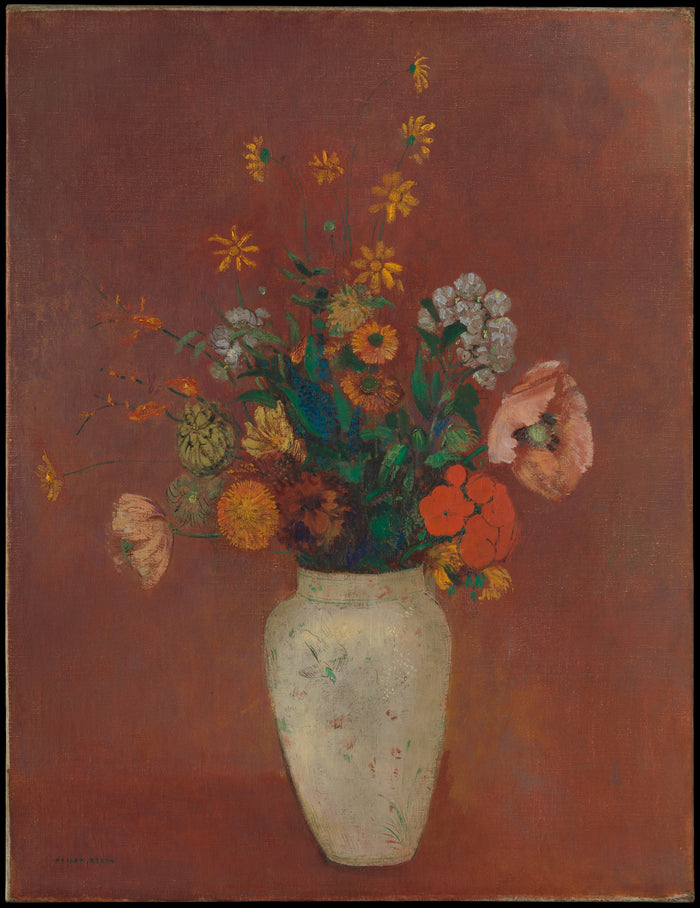
Useful points of comparison include colour's relationship to observed reality, the treatment of pictorial space, and whether the artist emphasises optical sensation, emotional pressure or structural order. Impressionist broken colour, Post-Impressionist experimentation, Cubist fragmentation and Surrealist encounters with dreams answer different questions. Photography and mass reproduction changed how images circulated, while colonial encounters and unequal cultural exchanges shaped many artists' sources. Broad dates overlap with later categories; read a work's specific movement and recorded circumstances before assuming that modern means abstract or contemporary.

Notable artists & makers

  • Vincent van Gogh — A Post-Impressionist painter who made colour and brushwork expressive structural tools.
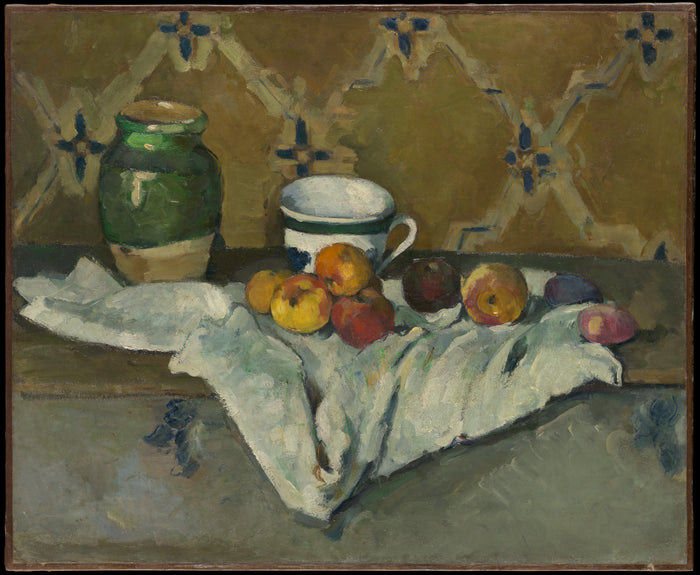
  • Paul Cézanne — A painter whose handling of form and space influenced later modern experiments.
  • Gustav Klimt — A Vienna Secession artist associated with patterned surfaces and symbolic imagery.

Notable works

Historical examples for context. Where a print is available in our collection, the work links to its product page.

  • The Starry Night — Vincent van Gogh — A night landscape whose rhythms and colour transform observed nature.
  • Les Demoiselles d’Avignon — Pablo Picasso — A pivotal precursor to Cubism; its precise relationship to the movement remains debated.
  • Wheat Field with Cypresses — Vincent van Gogh — A 1889 landscape that turns observed forms into an expressive painted structure.

Explore Modern Art in the collection

Historical art prints are modern reproductions. Dates and attributions describe the original artworks.

Loading artworks…

    Sources & further reading